
As a practitioner, you’ve likely seen clients who do “everything right” yet continue to cycle through pain, metabolic dysfunction, hormone dysregulation, overwhelm, anxiety, or inflammation. You’ve also noticed traditional interventions work inconsistently. The missing variable is often fascial dysfunction.
Fascia: The Body’s Master Integrator
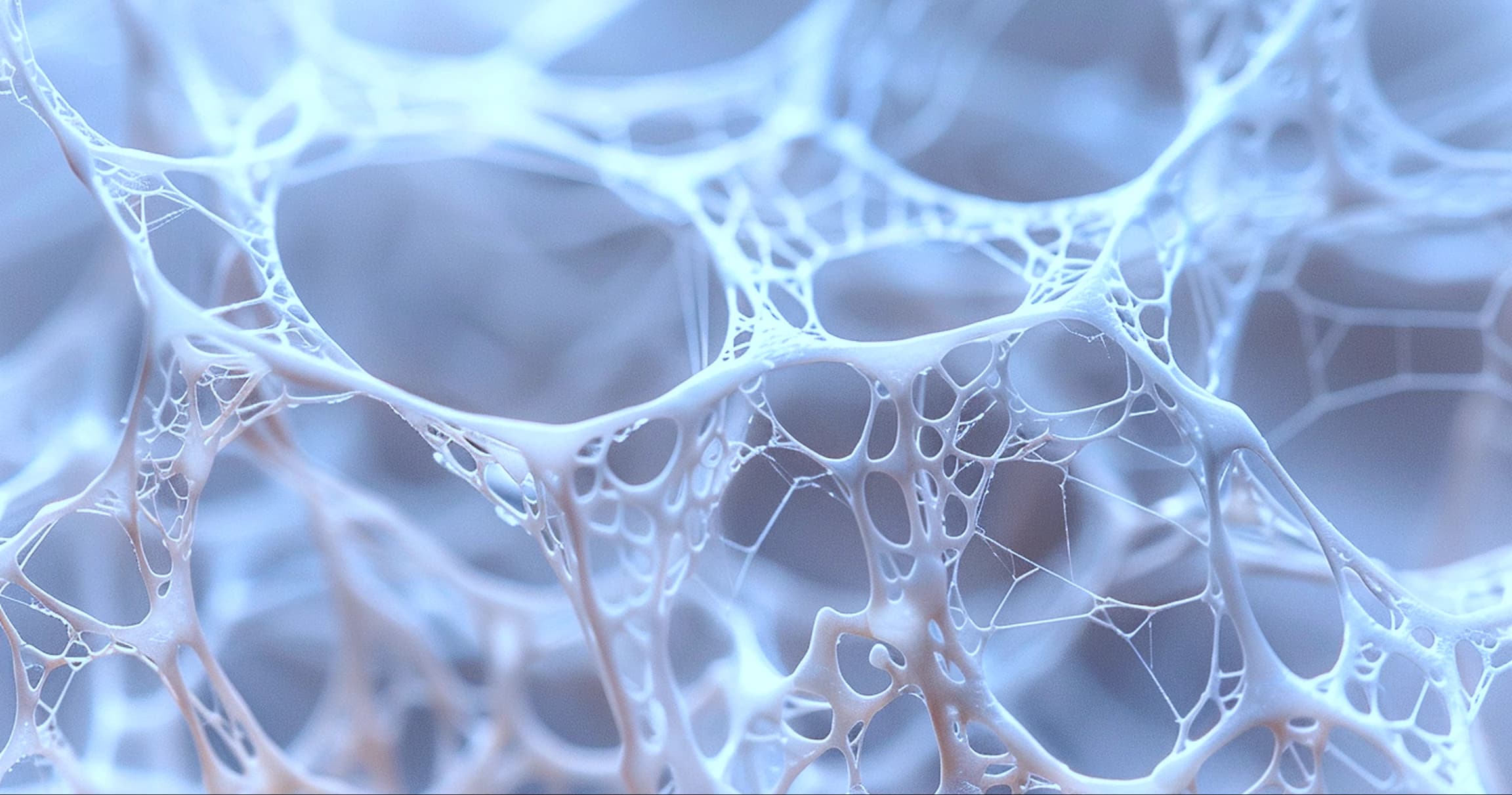
Fascia is far more than connective tissue. It is a dynamic, fluid, mechanosensitive, and bioelectrical system interfacing with every other physiological system. It contains ten times more sensory receptors than muscle tissue.
Because fascia envelops and interconnects all structures, it influences:
neuromuscular signaling
interstitial fluid flow
hormonal communication
metabolic signaling
autonomic nervous system tone
lymphatic and glymphatic movement
mitochondrial efficiency
inflammatory regulation
When fascia becomes restricted, dehydrated, or inflamed, its ability to facilitate communication decreases, leading to systemic dysregulation.
Neurological Implications:
Distorted mechanoreceptor input ® sympathetic dominance, reduced vagal tone, increased pain perception, HRV suppression.
Metabolic Implications:
Altered interstitial fluid dynamics impair insulin signaling, mitochondrial function, and nutrient delivery.
Hormonal Implications:
Fascia influences hormone receptor sensitivity and transport through the interstitial space.
Structural Implications:
Compromised glide alters movement patterns, load distribution, and increases mechanical stress.
Emotional Implications:
Fascia stores sensory and emotional experiences, contributing to dysregulation.
Why Clients Plateau
Fascia quietly undermines interventions. Without addressing fascial health, clients struggle with:
chronic pain
hormone interventions that don’t “stick”
metabolic protocols that stall
unresolved anxiety or sleep issues
persistent inflammation
A New Paradigm for Practitioners
Fascia-first principles shift practice from modality-based care to systems-based intervention, accelerating outcomes and differentiating practitioners.